Source frozen chicken wing for Hotels, Restaurants, and Catering
Compare 25 listings for frozen chicken wing with varying weights, certifications, and packing options. Buyers can evaluate specifications from HACCP and Halal suppliers in China to find suitable products for hotels, fast food restaurants, and Japanese restaurants.
Key considerations
Products List


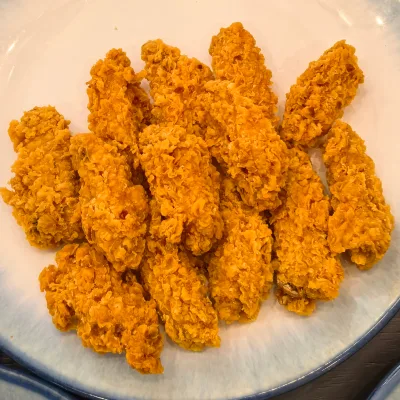
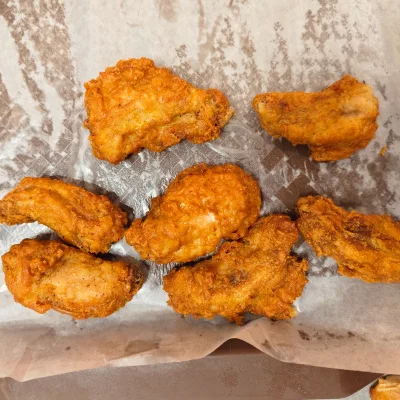
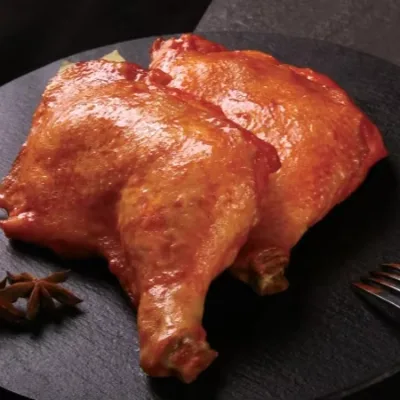


$2200.00 - $2500.00
Moq: 10


Comprehensive Sourcing Guide
Strategic Sourcing Guide for Frozen Chicken Wings
Navigating the global market for frozen chicken wings requires a disciplined approach that balances technical specifications, regulatory compliance, and supply chain reliability. For procurement professionals, the distinction between raw and processed products is the first critical decision point. The available market data indicates a diverse product range, from raw "Big Whole" cuts to pre-fried varieties designed for immediate service. Understanding these variations is essential for aligning procurement with operational needs, whether for a hotel kitchen, a fast-food franchise, or a specialized Japanese restaurant. This guide outlines the essential factors for sourcing frozen chicken wings, grounded in observed product attributes and industry standards.
Technical Specifications and Product Variants
The technical landscape of frozen chicken wings is defined by specific model numbers, weight standards, and physical dimensions. Buyers must first determine the exact cut required for their menu. The market offers distinct models such as "Chicken Wing Middle 30g-40g," "Chicken Wing Middle 40g," and "Chicken Wing Middle Under 30g Each." These specifications are not merely descriptive; they dictate portion control, cooking time, and final yield. For instance, a product standard of "40g-50g" presents a different cooking profile than one labeled "Under 30g Each."
Beyond the cut, the packaging format is a critical technical parameter. Observed data reveals a "2kg6/Carton" configuration for certain bulk items, while other models utilize a "1kg10" format. Some listings specify a "Tray" as the primary packaging material, which may be relevant for retail display or specific cold-chain requirements. Furthermore, the "Big Whole" style suggests a specific anatomical presentation, distinct from the "Chicken Two Joint Wing" or "Chicken Wing Middle" segments.
Processing methods further differentiate the product categories. While many items are categorized under "Frozen" processing, a significant segment is "Fried." These pre-cooked wings often come with specific conditioning methods, such as "Deep-Fry," and precise cooking instructions like "Fry at 170°c for 3-5 Minutes." This distinction is vital for inventory planning; raw wings require a full cooking cycle, whereas fried wings may only need reheating or a brief finish. The "Taste" attribute is noted as "Original" for many raw variants, implying a neutral flavor profile suitable for various marinades, while processed items may carry specific seasoning profiles.
Compliance and Certification Standards
In the international trade of poultry, certification is not optional; it is a prerequisite for market access and brand safety. The observed product data highlights a robust array of certifications, including HACCP, ISO, BRC, Halal, FDA, Gap, and Kosher. A single product listing may carry multiple certifications, such as "HACCP, ISO, BRC," while others might be limited to "HACCP" or "HACCP, ISO."
Buyers must verify that the specific supplier and facility hold the certifications required by their destination market. For example, exporting to the United States generally requires FDA compliance, while the European market often demands BRC or ISO standards. The presence of "Halal" and "Kosher" certifications is critical for suppliers targeting specific demographic markets or religious dietary requirements. The "Gap" (Good Agricultural Practices) certification further indicates adherence to farm-level safety standards, which is a strong indicator of overall supply chain integrity.
When evaluating a supplier, procurement teams should request current, valid certificates for the specific production line associated with the order. The "prod_standard" of "8/9/10 pcs per 2kg" suggests a strict adherence to count-based standards, which often correlates with rigorous quality control processes required to maintain such certifications. Relying on a supplier's general claim of certification without verifying the scope and validity is a significant risk.
Cost Drivers and Pricing Dynamics
The pricing structure for frozen chicken wings is influenced by a complex interplay of factors, including the specific model, processing method, and packaging configuration. The observed price range in the market spans from $2.1 to $5500 USD. This wide variance is not indicative of a single product's price fluctuation but rather reflects the difference between individual unit costs and bulk container purchases.
The Minimum Order Quantity (MOQ) is a primary driver of unit cost. The data shows an MOQ range of 1 to 3000 units. A buyer ordering a single unit will face a significantly higher per-unit cost compared to a buyer securing a full container load. The "Supplying Period" is noted as "All The Year Throughout," suggesting that seasonal scarcity is less of a factor for pricing stability compared to other agricultural commodities, though global logistics costs remain a variable.
Loading capacity also impacts the effective cost per kilogram. Data indicates a loading quantity of "25mt Per 40FT" for some products and "27mt Per 40FT" for others. This variation in density can affect the total volume purchased and the freight cost allocation. Additionally, the "Private Label" availability suggests that buyers seeking branded products may incur additional costs for custom packaging and labeling services, which should be factored into the total landed cost calculation.
Typical Applications and Operational Fit
The end-use application dictates the required product specifications. The market data explicitly lists "Hotels, Fast Food Restaurants, and Japanese Restaurant" as applicable sectors. For fast-food chains, the "Fried" product with a "Cooking Method" of "Fry at 170°c for 3-5 Minutes" offers the operational efficiency required for high-volume service. These pre-fried wings reduce labor costs and ensure consistency in cooking times.
In contrast, hotels and Japanese restaurants may prefer raw "Big Whole" or "Chicken Wing Middle" cuts to allow for customized preparation. The "Original" taste of raw wings allows chefs to apply specific marinades or sauces that align with their culinary identity. The "Reefer Container" and "Transportaion: Freezer Container" attributes confirm that these products are designed for long-distance logistics, making them suitable for international supply chains serving large-scale food service operations.
The "Storage Temperature" requirement of "Below -18" or "-18 Degrees" is a universal constraint for all listed products. This necessitates a robust cold chain from the point of origin in "Shandong, China" to the final destination. Any break in this chain can compromise product quality, regardless of the initial certification or processing method.
Supplier Evaluation and Origin Verification
Geographic origin plays a significant role in supplier evaluation. The data consistently points to "China" and specifically "Shandong" as the production hubs. Shandong is a major agricultural province in China known for its poultry industry. Buyers should verify the specific facility location within this region to assess logistics lead times and potential regional risks.
The "Customization" attribute being "Available" indicates that suppliers are willing to adapt to buyer needs, whether through private labeling or specific packaging adjustments. However, the extent of this customization should be clarified during the negotiation phase. The "Loading Qty" of 27mt or 25mt per 40FT suggests that the supplier has established logistics partnerships, but buyers should confirm the reliability of these shipping arrangements.
When evaluating suppliers, the consistency of certifications across different product lines is a key indicator of quality management. A supplier offering "HACCP, ISO, BRC" alongside "Halal, FDA, BRC, HACCP, ISO, Gap, Kosher" demonstrates a high level of regulatory compliance. Buyers should prioritize suppliers who can provide a complete audit trail from the farm to the freezer container, ensuring that the "Frozen" status is maintained throughout the supply chain.
Quality Control and Long-Term Procurement
Quality control in the frozen poultry sector extends beyond the initial inspection. The "Shelf Life" is observed to be greater than 12 months, which provides a buffer for inventory management but requires strict adherence to storage protocols. The "Storage Method" is strictly "Frozen," and any deviation can lead to spoilage. Buyers must implement rigorous incoming quality checks to ensure that the product arrives at the correct temperature and that the packaging remains intact.
For long-term procurement, the "Supplying Period" of "All The Year Throughout" is a significant advantage, ensuring a stable supply base. However, buyers should establish clear communication channels regarding any potential disruptions. The availability of "Private Label" services allows for brand differentiation, which can be a strategic advantage in competitive markets.
The "Standard" of "30g-40g" or "40g-50g" must be consistently met. Variations in weight can lead to customer complaints or menu pricing issues. Buyers should include quality clauses in their contracts that specify acceptable tolerances for weight and size. Additionally, the "Conditioning Methods" and "Cooking Method" instructions provided by the supplier should be validated through internal testing to ensure they align with the buyer's operational capabilities.
Conclusion
Sourcing frozen chicken wings is a multifaceted process that requires a deep understanding of product specifications, regulatory requirements, and supply chain logistics. The market offers a wide array of options, from raw "Big Whole" cuts to pre-fried varieties, each with distinct applications for hotels, fast-food restaurants, and specialized cuisines. Buyers must carefully evaluate certifications such as HACCP, ISO, and BRC to ensure compliance with international standards. By focusing on technical details like weight standards, packaging formats, and storage temperatures, procurement professionals can build a resilient supply chain that meets the demands of their specific market. The availability of customization and private labeling further enhances the strategic value of these products, allowing buyers to differentiate their offerings in a competitive landscape. Ultimately, success in this sector depends on rigorous supplier evaluation, strict quality control, and a clear understanding of the operational needs of the end-user.
FAQs
What certifications do frozen chicken wing suppliers typically hold?
Suppliers typically hold HACCP, ISO, and BRC certifications. Many also provide Halal, FDA, Gap, and Kosher certifications to meet diverse international regulatory requirements for poultry products.
How should frozen chicken wings be stored during transport?
These products must be stored below -18 degrees Celsius. They are shipped in reefer or freezer containers to maintain the frozen status from the origin in China to the final destination.
Which packaging formats are available for bulk orders?
Common formats include 2kg cartons with 6 units per box or 1kg packs with 10 units. Some listings specify tray packaging, and custom packaging options are available upon request.
Can buyers customize the product specifications for their needs?
Yes, customization is available for various product attributes. Buyers can request specific weight standards like 30g-40g or choose between raw and fried processing methods based on their menu requirements.
What is the typical shelf life for frozen chicken wings?
The shelf life exceeds 12 months when stored correctly. This long duration supports inventory planning for hotels and restaurants that require stable supply throughout the year.
How many units fit in a standard 40-foot container?
A 40-foot container typically holds 25 to 27 metric tons of product. The exact loading quantity depends on the specific product model and packaging configuration selected for the order.